
What is Reflux or Hiatal Hernia Surgery?
Understanding Reflux surgery and Hiatal hernia repair
Reflux surgery, often referred to as anti-reflux surgery or fundoplication, is a procedure designed to treat gastro-oesophageal reflux disease (GORD) when lifestyle changes and medications are not effective. GORD occurs when stomach acid or bile frequently flows back into the esophagus, causing symptoms like heartburn, swallowing difficulties, regurgitation and discomfort.
Hiatal hernia repair is a surgical procedure designed to correct a hiatal hernia, where a portion of the stomach pushes through the diaphragm into the chest cavity. The surgery aims to reposition the stomach, repair the diaphragm and address related issues like acid reflux.

Who Needs Reflux/ Hiatal Hernia Surgery?
- If you are experiencing significant reflux symptoms not controlled through medication
- If you are concerned about taking high-dose anti-reflux medication long-term
- If you are experiencing symptoms of a hiatal hernia
What Are the Symptoms of Reflux/ GORD?
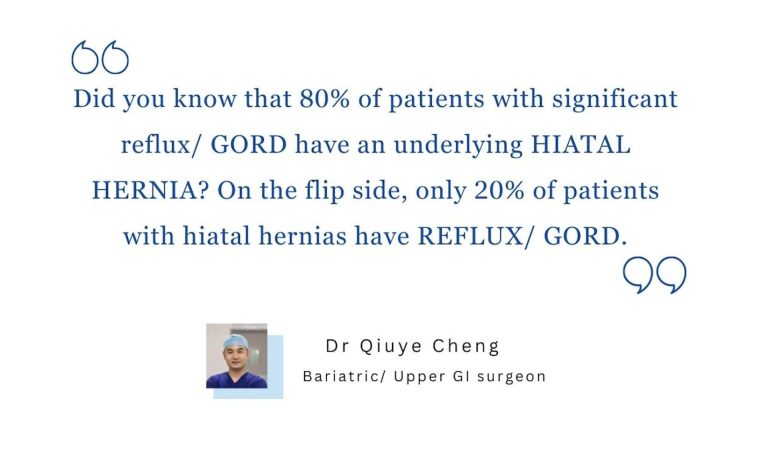
Reflux is common, and for most patients, it is a condition which is not well understood. If you have been suffering from reflux symptoms or GORD, it is often useful to seek specialist care as your symptoms could be treated through more than just medication. Dr Qiuye Cheng (MED0001667801) is a specialist Sydney-based Upper gastro-intestinal and general surgeon with extensive experience in gastrointestinal and bariatric procedures. He manages reflux disease regularly and provides tailored care to support long-term digestive health. Come chat with us today to learn how we can help you manage your symptoms.
Reflux/ GORD symptoms can often be divided into typical or atypical symptoms that can cause more than just daily discomfort. If left untreated, ongoing reflux can also lead to significant health implications.
You can understand more about the typical and atypical symptoms of reflux here:
What Does Reflux Surgery Involve?
The main aim of reflux surgery is to be able to reconstitute the “one-way valve” ability of the gastro-oesophageal junction which is also known as the hiatus area. If you are suffering from significant reflux symptoms, it is more than likely that you have a “leaky gastro-oesophageal valve” which allows stomach contents and acid to move freely upwards into the oesophagus (our oral feeding tube). As mentioned previously, anatomical changes like hiatal hernias can disrupt the natural tightness of this valve.
As such, reflux surgery involves a single operation of repairing any hiatal weakness, fixing hiatal hernias and strengthening the hiatal area further through a procedure called fundoplication.
Normal Gastro-Oesphageal Junction Anatomy
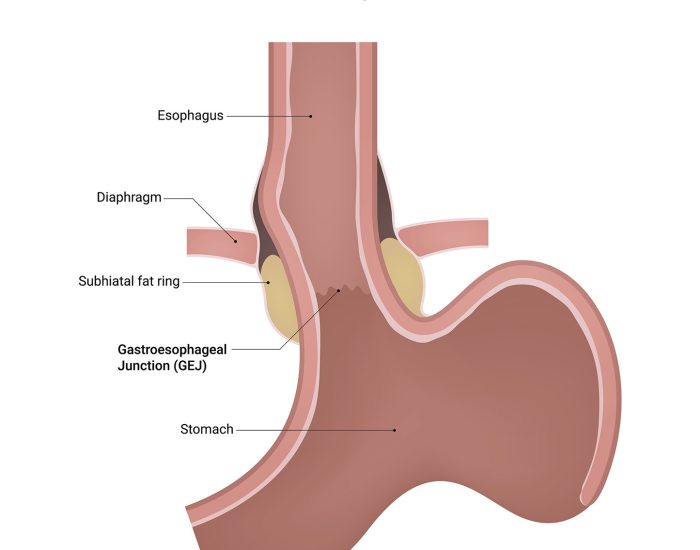
For the hiatus to function properly, there needs to be alignment between the body’s diaphragm muscle and circular muscle fibres of the lower gastro-osephageal sphincter.
Hiatal Hernia
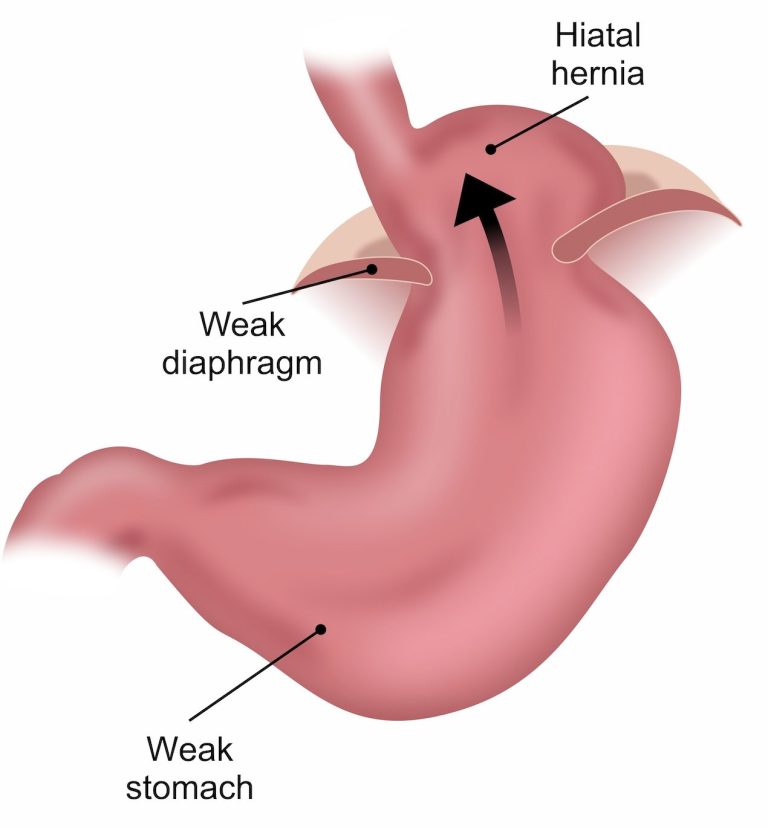
Weakness of the hiatal region can result in slippage of the stomach above the diaphragm which gives rise to hiatal hernias and hence disrupting the normal function of our “one-way valve” — gastro-oesophageal junction complex.
This weakness more often than not, needs to be concurrently corrected during surgery.
Fundoplication
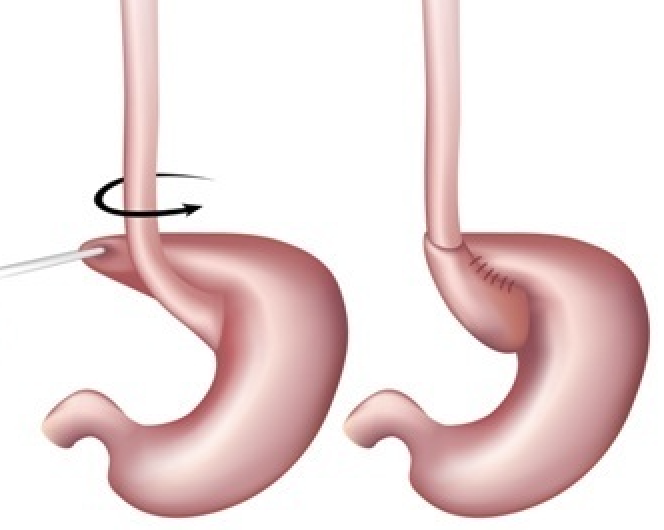
The integrity of the lower oesophageal sphincter/ gastro-oesophageal junction is further enhanced through a surgically created stomach wrap (i.e. fundoplication) at the level of the lower oesophagus. This aims to add supportive bulk to the area which can help minimise volume reflux.
Preparation and assessment
Prior to your reflux surgery, you will have a comprehensive consultation with Dr Cheng and our multidisciplinary care team. This appointment allows you to gain a clear understanding of the operation, discuss what to expect and raise any questions you may have. During this stage, we will also review your medical history in detail to determine whether reflux surgery in Sydney is the most appropriate treatment pathway for your condition.
You may be asked to complete several pre-operative assessments, including:
- Oesophageal manometry
- Upper GI endoscopy
- 24-hour pH monitoring
- Barium swallow or upper GI imaging
- Routine blood tests
- Chest X-ray
- Electrocardiogram (EKG)
Our team will guide you through each assessment and their purpose. You may be advised to pause certain medications the night before your procedure, and you will also be asked to avoid smoking in the days leading up to your operation. Additionally, no food or drink should be consumed after midnight on the night before surgery.
Possible complications
All surgical procedures carry some degree of risk, and gastric reflux surgery is no exception. Potential complications may include:
- Gastrointestinal or visceral perforation
- Bleeding or splenic injury
- Pneumothorax (collapsed lung)
- Postoperative nausea and vomiting
You may also experience late post-operative complications such as Gas-bloat syndrome, dysphagia, flatulence and recurrent heartburn. All of these risks will be covered during your first consultation.
Schedule an initial consultation for reflux surgery in Sydney
If gastric bypass surgery is being considered as part of your treatment plan, you are welcome to schedule a consultation with Dr Qiuye Cheng and the team at St George Obesity & General Surgery.
Recognised by the Surgical Review Corporation (SRC) as a Surgeon of Excellence, Dr Cheng provides a comprehensive, evidence-based approach. Our focus is on achieving lasting symptom relief, improving quality of life and ensuring each patient receives tailored, clinically sound care.
For additional information and support, visit our blog and FAQs.
